
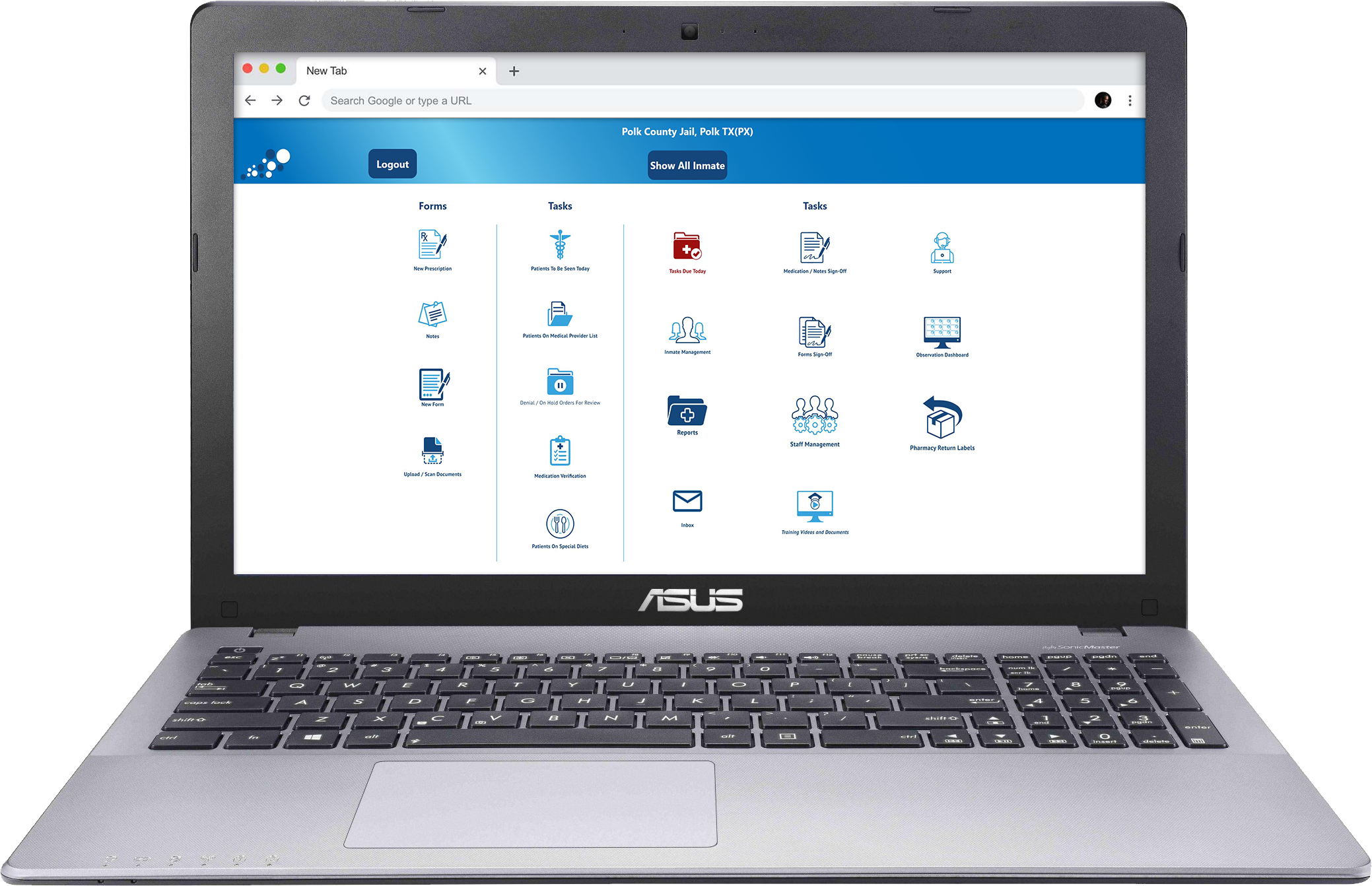
What is an Electronic Medical Record (EMR)?
What Is in an Electronic Medical Record (EMR)?
An Electronic Medical Record (EMR) is a digital version of a patient’s paper chart, designed to help healthcare providers document, manage, and access patient information efficiently. The IHS eSuite EMR brings all essential patient data into one secure, easy-to-use system—improving accuracy, workflow, and quality of care.
So, what exactly is included in an EMR? Below is a clear breakdown of the key components found in a modern electronic medical record.
Patient Demographics
Every EMR begins with core patient information, including:
- Full name
- Date of birth
- Gender
- Contact information
- Social Security number or national identification number
Accurate demographics ensure patient records are correctly identified and safely linked across the healthcare system.
Medical History
The medical history section provides a complete picture of a patient’s health over time, including:
- Medical conditions: Chronic and acute diagnoses
- Surgical history: Past procedures with dates and details
- Medications: Current medications, dosages, and frequency
- Allergies: Medication, food, and environmental allergies
- Immunizations: Vaccination records and dates
- Family medical history: Hereditary conditions
- Social and behavioral history: Lifestyle factors such as smoking, alcohol use, and exercise
This information helps providers make informed, safe clinical decisions.
Clinical Notes
Clinical notes are one of the most critical elements of an EMR. They document each patient encounter and ongoing care, including:
- Progress notes: Updates on condition, treatments, and outcomes
- SOAP notes: Structured notes covering subjective complaints, objective findings, assessment, and plan
- Consultation notes: Specialist findings and recommendations
- Procedure notes: Details of procedures or surgeries performed
These notes support continuity of care and clear communication between providers.
Diagnostic and Laboratory Reports
An EMR securely stores diagnostic and lab results, allowing providers to monitor progress and confirm diagnoses. Common reports include:
- Blood tests
- X-rays
- MRIs
- EKGs
- Pathology reports
Having this data centralized improves speed, accuracy, and collaboration.
Medication Orders and Prescriptions
EMRs streamline medication management by storing:
- Prescribed medications
- Dosage instructions
- Medication changes over time
Many EMR systems, including IHS eSuite, support electronic prescribing, allowing prescriptions to be sent directly to pharmacies for improved safety and convenience.
Treatment Plans
Treatment plans outline recommended therapies, interventions, and follow-up care. They help ensure consistency across providers and guide patients through their care journey.
Billing and Administrative Information
EMRs also include essential administrative data such as:
- Insurance information
- Billing and diagnosis codes
- Claims and reimbursement details
This supports accurate billing, compliance, and efficient healthcare operations.
EMRs in Correctional and Institutional Pharmacy Settings
While many EMRs are designed for traditional healthcare environments, correctional facilities and institutional pharmacies require additional layers of security, accountability, and workflow control. An EMR used in correctional healthcare must support strict access permissions, detailed audit trails, accurate medication tracking, and seamless communication between pharmacy and clinical teams. The IHS eSuite EMR is purpose-built for correctional facilities and similar institutions, ensuring medication records remain accurate, secure, and accessible throughout intake, transfers, and release—supporting both compliance and continuity of care.
Summary
An Electronic Medical Record (EMR) is a comprehensive digital system that securely stores all aspects of a patient’s health information—from demographics and medical history to clinical notes, diagnostics, and treatment plans. The IHS eSuite EMR helps healthcare providers work more efficiently, improve care coordination, and enhance patient safety.